
-
Picking the Right Precision Tool Vendor Isn't Simple. Here's How I Break It Down.
-
Scenario A: Your Shop Needs Durable, Workhorse Tools for Daily Production
-
Scenario B: You're Buying for a Calibration Lab or R&D Environment
-
Scenario C: You Just Need a Backup or Basic Measurement Tool
-
How to Decide Which Scenario Fits You
Picking the Right Precision Tool Vendor Isn't Simple. Here's How I Break It Down.
If you're in charge of buying precision measuring tools for a shop or lab, you've probably asked yourself: Should I go with Starrett, or is another brand a better fit? There's no single right answer. It depends on your specific needs—the types of measurements you take, your budget, and how much you value long-term reliability over upfront cost.
I've been managing procurement for a mid-size manufacturing company for about five years now. We process around 60 orders annually for precision tools across three locations. I'm not a metrology expert, but I've learned a thing or two about what makes a vendor relationship work—and what doesn't. Here's how I think about the decision.
Scenario A: Your Shop Needs Durable, Workhorse Tools for Daily Production
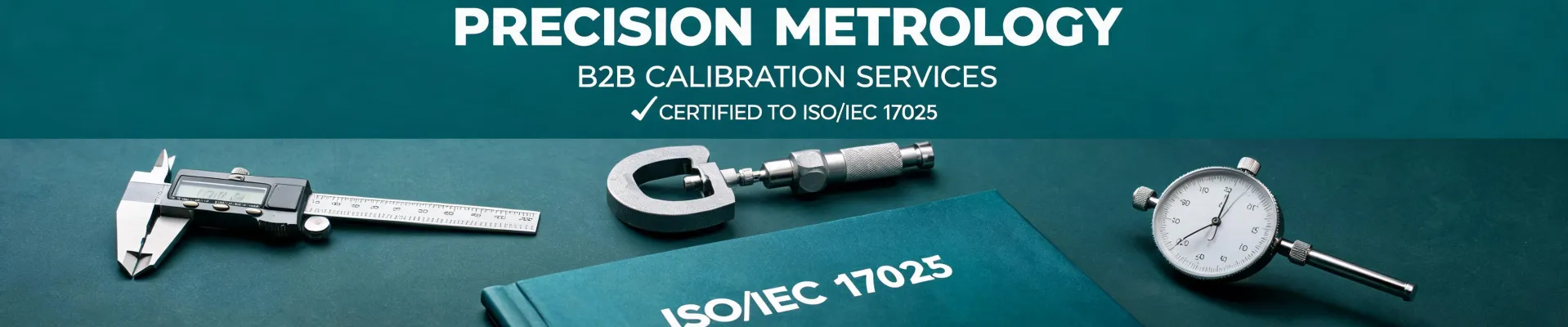
If your team uses micrometers, calipers, or dial indicators day in and day out—sometimes in less-than-pristine conditions—you want tools that can take a beating. That's where Starrett shines.
Take the Starrett 445 depth micrometer, for example. It's a favorite in our shop for measuring slot depths and shoulder distances. The rod extensions are machined precisely, and the frame is built to last. We've had some of these for over a decade, and they still measure within spec (assuming annual calibration, which is standard).
Similarly, the Starrett dial indicator with magnetic base is a solid choice for setups where you need repeatability. The magnetic base is strong—really strong—and the indicator movement feels smooth. I've used cheaper alternatives, and they're fine for a quick check, but they don't hold zero as well after repeated use.
One thing I've learned: if your operators are rough on tools (and most are), spending a bit more upfront on Starrett saves you money on replacements. Our CFO wasn't convinced until we tracked tool replacement costs over a year. The cheaper ones failed three times as often.
Scenario B: You're Buying for a Calibration Lab or R&D Environment
If your use case demands extremely tight tolerances—like in a metrology lab or research setting—you might be better off with a specialist like Mitutoyo or Keyence for certain applications. That's not a knock on Starrett; it's about matching the tool to the job.
For example, the rotational speed sensor (also known as a tachometer) from Keyence offers laser-based non-contact measurement at higher precision than Starrett's traditional contact tachometers. If you're measuring RPM on tiny shafts or in hard-to-reach areas, that matters. Omron also has excellent options for integrated speed measurement in automated systems.
I'm not an engineer, so I won't pretend to know the technical specs off the top of my head. What I can tell you from a procurement perspective is: know your tolerance requirements before you compare prices. If you need ±0.001mm, don't buy a tool rated for ±0.005mm just because it's cheaper.
Here's where transparency matters. Some vendors will quote a lower price but then add fees for calibration certificates, expedited shipping, or special packaging. I've learned to ask: "What's NOT included in this price?" before comparing bids. The vendor who lists everything up front—even if the total looks higher—usually costs less in the end.
Scenario C: You Just Need a Backup or Basic Measurement Tool
Not every tool needs to be top-of-the-line. If you're buying a thermometer with fever (non-contact infrared thermometer) for quick spot checks in a warehouse, you don't need a $200 Fluke. A $30 unit from a reputable brand works fine for ±1.0°C accuracy.
Similarly, if you're buying a basic caliper for occasional use, a Starrett 120 series might be overkill. Their budget-friendly 799 series is a good middle ground—still accurate, but less expensive because you're not paying for the premium satin chrome finish.
I still kick myself for once buying a dozen "ultra-cheap" digital calipers from an unknown brand. They looked fine in the box, but three failed within a month. The replacements took six weeks to arrive. That cost us way more in downtime than the price difference with Starrett.
How to Decide Which Scenario Fits You
Here's a quick checklist I use when evaluating a purchase. Be honest with yourself:
- How often will this tool be used? Daily? Weekly? A few times a year?
- What's the tolerance requirement? ±0.01mm is less demanding than ±0.001mm.
- Who's using it? A trained machinist? A temp worker? A QC inspector?
- What's the cost of failure? Is a bad measurement just annoying, or could it scrap a $10,000 part?
- Can you get parts or service? Starrett has a solid network for repair and calibration, but not every brand does.
For reference, according to FTC guidelines (ftc.gov), advertising claims about product durability and performance must be substantiated. So when a vendor says "industrial-grade," ask for specifics. Per ISO 9001 standards, calibration records should be traceable. Don't skip that step.
The lesson I've learned: there's no "best" brand of precision tools. There's only the best brand for your situation. Starrett is excellent for heavy-use production environments. For specialized labs, you might need Mitutoyo. For automated systems, Keyence or Omron might be better. The key is knowing your own requirements first.
And one more thing: don't assume the cheapest quote is the best deal. I've been burned by that assumption before. A transparent vendor who shows you the full cost—including maintenance, calibration, and support—is worth their weight in gold.
Prices as of March 2025; verify current rates with suppliers. Always consult a metrology expert for critical measurement applications.

Marcus Feld
Marcus Feld is an electrical test and measurement analyst specializing in multimeters, oscilloscopes, clamp meters, insulation testers, spectrum analyzers, and data loggers. He applies IEC 61010-2-030 and IEC 61010-031 concepts while examining measurement category, bandwidth, true-RMS response, input loading, and stated uncertainty. His work helps maintenance engineers and test teams choose safe instruments with performance suited to the signals and environments they actually measure.
Leave a Reply