
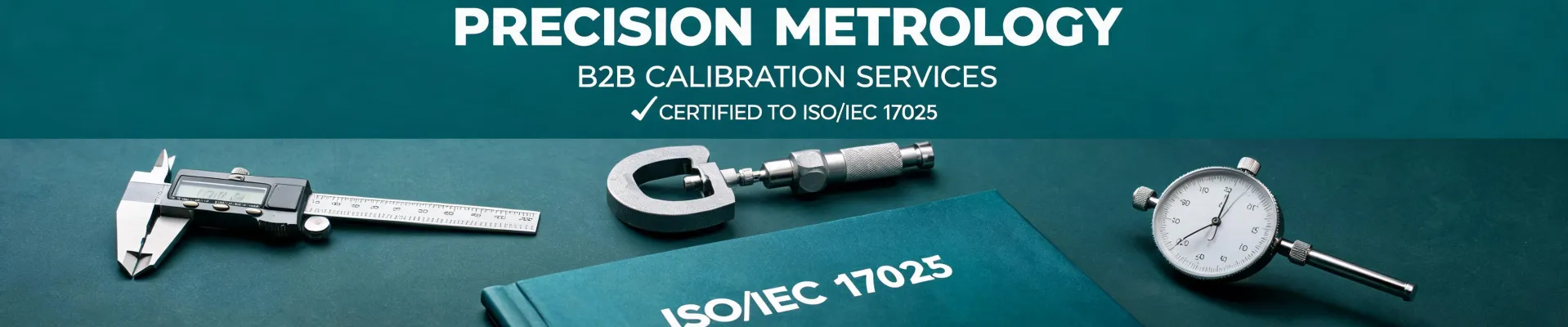
Most precision tool purchases are a mistake. Not because the tools are bad—because they're the wrong type for the job. I know this from personal experience, and I have the wasted budget to prove it.
I handle precision tool orders for a 40-person machine shop. Nine years in. I've personally made—and documented—14 significant buying mistakes, totaling roughly $3,800 in wasted budget. Now I maintain our team's tool selection checklist so nobody else repeats me.
Here's my view, stated plainly: Buy the right tool type first, then pay up for quality where it matters. A Starrett 120A-6 dial caliper and a Starrett micrometer are genuinely excellent tools. But they're still the wrong tool for plenty of jobs.
Believe the Reputation—But Ask the Right Question
Starrett has been making precision tools since 1880. One hundred and forty-plus years of micrometers, calipers, dial indicators, and related instruments. They didn't survive that long by shipping junk. I'll recommend the brand to anyone who asks—with conditions. "Good" and "right for you" are different questions, and I learned that the expensive way.
The 2018 Mistake: A Caliper Can't Do a Micrometer's Job
In 2018, I inspected a batch of hardened pins for a customer's assembly line. Tolerance: ±0.0005". I measured them with a digital caliper—not a cheap one, either. Everything looked fine, so I shipped them. The customer's receiving inspector flagged the lot: the pins ran 0.0008" oversized.
240 parts. $890 in rework. A three-day schedule slip. And the brutal part: I knew better. A caliper—even the Starrett 120A-6 dial caliper I now use daily, which reads in 0.001" on the dial—can't be trusted to verify a ±0.0005" tolerance. That's a micrometer's job. A Starrett micrometer reads in 0.0001" and gives the resolution that five-tenths tolerance demands.
"General-purpose tool for general tolerances. Dedicated tool for tight ones." That rule is now printed at the top of our inspection checklist.
The upside of grabbing that caliper was saving maybe 10 minutes of setup. The risk was exactly what happened: a rejected batch. I look back and wonder why I considered those odds.
Why the Starrett 120A-6 Dial Caliper Earns Its Spot
The Starrett 120A-6 dial caliper is my default answer when someone asks what to put on a bench that measures parts every day. Six-inch range, 0.001" reading on a dial you can watch, satin chrome finish that doesn't glare. It makes a real difference under shop lighting. The body handles chips and coolant without complaining.
Why dial instead of digital? Two reasons. First, no battery. The dial still works when the shop is cold and the digitals fade. Second, the dial shows you movement. You can watch the needle ride over a surface and feel a faint burr or taper that a digital readout silently averages out.
Digital calipers still sit on our benches. They have a place—especially for quick checks where the incremental answer is all you want. But for daily work, the 120A-6 is the tool I reach for. It just works.
What the Gage Block Test Showed Me
In spring 2023, I ran a small comparison. Four micrometers, ten measurements each, on a calibrated 0.5" gage block. A new Starrett, a Mitutoyo, a no-name import that had been sitting in our drawer, and a 15-year-old Starrett that had been through every kind of shop abuse.
The numbers said the import was fine. Within a few tenths, which for most work is entirely acceptable. The spreadsheet pointed at the budget option. But my gut said something was off.
I stared at the raw data long enough to spot a pattern the summary stats were hiding: the import drifted by 0.0007" across its ten readings. The old Starrett stayed within 0.0002" of the new one. Every single time.
The surprise wasn't that the new Starrett performed—that I expected. The surprise was that the 15-year-old, dropped, knocked, "definitely due for replacement" Starrett was still more consistent than the brand-new import. That one result changed my buying habits more than any brochure ever did.
Honest limitation of the test: one tool, one day, one gage block. Not a peer-reviewed study. Cheap tools aren't always bad, and expensive tools aren't always good. But I've now watched this pattern repeat across our shop for years.
When I Tell People Not to Buy Starrett
This is the part that surprises people. I don't recommend Starrett for everyone.
If you're a hobbyist making occasional parts at home, the budget micrometer will be fine. Seriously. You don't need a 140-year-old brand's precision for a shelf bracket. Keep the cheap tool in its case, don't drop it, and understand what you own. That's enough.
And there are entire measurement categories where a Starrett caliper is simply the wrong instrument. I once got a call from maintenance asking if a caliper could "test voltage" during a spindle drive troubleshooting session. No. Absolutely not.
For electrical work, you need a multimeter. The Fluke 87V multimeter is what I see on the benches of just about every serious maintenance electrician. It's a true RMS multimeter, which matters because motor drives and VFDs generate distorted, non-sine-wave signals—a cheap meter reads those wrong. The Fluke 112 true RMS multimeter is a good lighter option for basic checks.
Different domain, same lesson. Choose the tool that matches the physical quantity you're measuring. I keep a rule around here: Starrett for dimensions. Fluke for electrons.
And once, a QC lab manager asked me how often to change your columns HPLC Agilent. That's outside my world, but I looked it up. The general guidance I found in column care guides: roughly 200 to 2,000 injections, depending on sample matrix and column chemistry. You watch the signal—rising backpressure, broadening peaks, retention times that creep—and the column tells you it's done.
Same logic as a worn micrometer. A precision tool is only trustworthy while you know its condition.
So, Is Starrett Overpriced?
I hear this a lot. And sometimes the answer is yes.
If your micrometer lives in a drawer and gets used four times a year, buy the import, save the money, and stop worrying. The risk of a rarely used cheap tool quietly ruining a part is low. The risk of wasting money on a premium tool you don't need is much higher.
But for a tool that's in your hand every week, measuring parts with real tolerances and real customer expectations, the math changes. The price difference between a Starrett and a no-name is often less than the cost of one scrapped batch. One batch.
There's also the paperwork. A quality micrometer comes with a calibration record and traceability. That sounds like a small thing until you're staring at a customer audit or assembling a compliance package. The cheap import usually comes with a cardboard box and no documented history.
So no, I don't think Starrett is overpriced for a shop that measures serious parts weekly. Just buy the right type of tool first. Then buy the good one.
The Bottom Line
The worst decision I ever made wasn't choosing the wrong brand. It was choosing a caliper when the tolerance demanded a micrometer. $890 in rework later, I finally understood: match the tool category to the job, then match quality to the stakes.
The Starrett 120A-6 dial caliper is the closest thing I've found to a seamless bench tool. The Starrett micrometer has outperformed everything I've put it against. But if your problem lives in a different measurement domain, don't buy Starrett. Get a Fluke for electrons. Ask your lab rep about Agilent HPLC columns. And when you have a dimensional tolerance that matters, week after week, that's when Starrett earns its keep.

Marcus Feld
Marcus Feld is an electrical test and measurement analyst specializing in multimeters, oscilloscopes, clamp meters, insulation testers, spectrum analyzers, and data loggers. He applies IEC 61010-2-030 and IEC 61010-031 concepts while examining measurement category, bandwidth, true-RMS response, input loading, and stated uncertainty. His work helps maintenance engineers and test teams choose safe instruments with performance suited to the signals and environments they actually measure.
Leave a Reply